Proper maintenance of HVAC systems is essential for ensuring optimal performance, energy efficiency, and longevity. However, many homeowners make common mistakes that can lead to costly repairs or reduced system effectiveness. One frequent error is neglecting regular filter replacement. Dirty filters restrict airflow, forcing the system to work harder and consume more energy while potentially causing damage to internal components. It is important to check and replace filters according to manufacturer recommendations or at least every three months.
Another mistake involves ignoring routine inspections and servicing by qualified professionals. HVAC systems require periodic checks to identify issues such as refrigerant leaks, worn belts, or electrical problems before they escalate. Skipping these preventive measures often results in emergency breakdowns during extreme weather conditions when reliable heating or cooling is most needed.
Failing to keep outdoor units clean also compromises system efficiency. Dirt, leaves, grass clippings, and other debris can accumulate around get the latest updates condenser unit outdoors, obstructing airflow and heat exchange processes. Regularly clearing away obstructions ensures proper ventilation and helps maintain consistent operation without strain on the compressor.
Incorrect thermostat settings represent a subtle but impactful oversight in HVAC management. Setting temperatures too high in winter or too low in summer not only wastes energy but also causes unnecessary wear on the equipment due to constant cycling between on and off states. Using programmable thermostats with appropriate schedules tailored to occupancy patterns reduces this issue significantly.
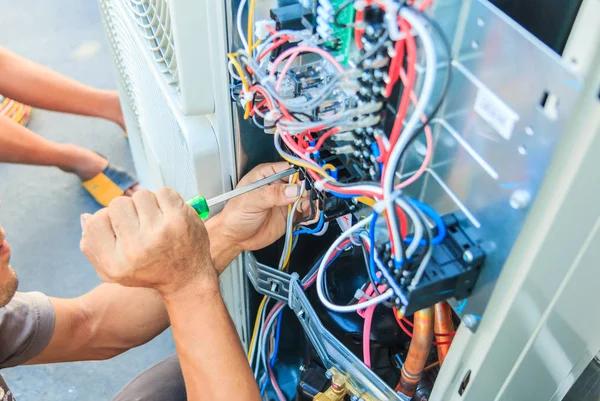
Some homeowners attempt DIY repairs without adequate knowledge or tools, which can worsen existing problems or void warranties provided by manufacturers or service providers. Electrical components inside HVAC units are particularly sensitive; improper handling may pose safety risks including shocks or fires.
Ignoring ductwork condition is another prevalent mistake that hampers overall system performance. Leaks, blockages, or poor insulation within ducts decrease air quality while increasing operational costs since conditioned air escapes before reaching living spaces effectively.
Lastly, overlooking changes in system behavior such as unusual noises, odors, reduced airflow, or fluctuating temperatures delays diagnosis of underlying faults requiring professional attention promptly.