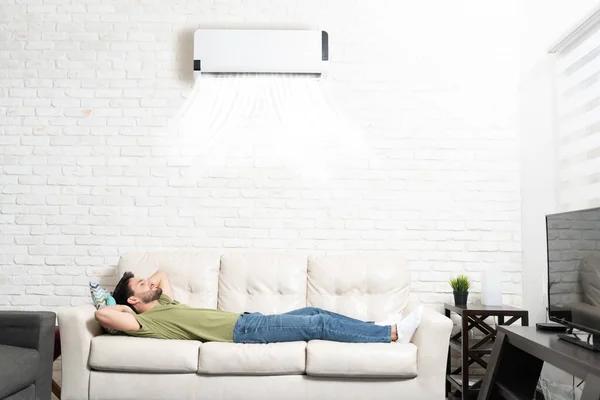
When considering options for heating and cooling a room, many people face the choice between window air conditioners with heater functions and portable units. Both types of appliances offer distinct advantages and limitations, making it important to evaluate factors such as installation, efficiency, space requirements, noise levels, and overall convenience before deciding which is better suited for your needs.
Window air conditioners with heaters are designed to fit into a window frame or a specially prepared wall opening. These units provide both cooling in the summer and heating during colder months through integrated heat pump technology or electric resistance heating. One of their main benefits is energy efficiency; because they use outdoor air exchange effectively, they tend to consume less electricity compared to some portable heaters. Additionally, these units typically have higher cooling capacities than portable devices due to their fixed installation position that allows better airflow management. However, installing a window unit requires an appropriate window size and may involve some effort or professional help. Once installed, though, they remain relatively unobtrusive and do not take up floor space inside the room.
On the other hand, portable Window Air Conditioners with Heater functions offer flexibility that window units cannot match. They can be moved from one room to another depending on where climate control is needed most at any given time. This mobility makes them attractive for renters or those who prefer not to modify windows or walls permanently. Portable units usually come with exhaust hoses that must be vented through a window using included kits. While this setup is convenient compared to permanent installations, it can sometimes reduce overall efficiency due to potential leakage around the vent area.
In terms of noise output, both types generate sound during operation but generally at similar levels; however, some users find portable models louder because compressor components reside inside the living space rather than outside as in split systems or partially external window units.
Maintenance differs slightly between these two options as well. Window ACs require periodic cleaning of filters and occasional servicing of external parts exposed outdoors whereas portables need regular filter changes plus careful handling of exhaust hose connections.
Ultimately choosing between a window air conditioner with heater capability versus a portable unit depends largely on individual circumstances including living arrangements, budget constraints, desired energy savings goals and personal preferences regarding installation permanence versus portability. For those seeking efficient year-round temperature control without sacrificing indoor floor area-and who have suitable windows-window ACs often represent better value over time despite upfront installation efforts. Conversely if ease of relocation combined with simple setup ranks highest then portable systems might prove more practical despite somewhat lower performance efficiencies.
Both categories continue evolving technologically offering improved features like smart controls and enhanced filtration but understanding fundamental differences remains key when selecting an appliance tailored specifically for one’s unique environment needs throughout changing seasons ahead.