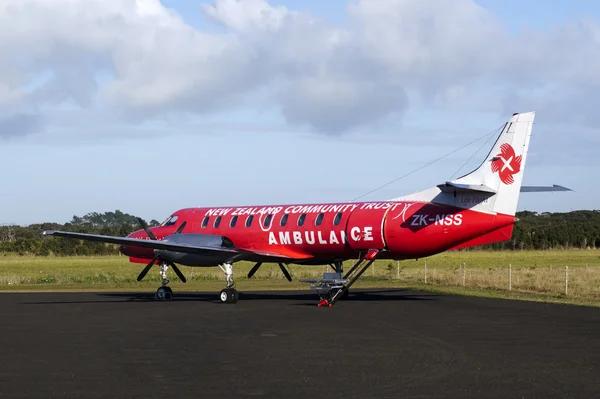
Reliable long distance medical transport plays a crucial role in ensuring safe and comfortable travel for patients who require specialized care during transit. When individuals need to move between cities, states, or even countries for medical treatment, the transportation method must prioritize their health, safety, and comfort. This type of service is designed to accommodate various medical conditions while providing continuous monitoring and support throughout the journey. Professional medical transport teams consist of trained personnel such as paramedics, nurses, or doctors who are equipped to handle emergencies and provide necessary interventions en route.
The choice of vehicle used in long distance medical transport is essential for patient safety. Ambulances or specially equipped vehicles are often utilized because they contain life-support equipment like oxygen tanks, cardiac monitors, infusion pumps, and other critical devices tailored to each patient’s needs. These vehicles also offer smooth rides with suspension systems that reduce vibrations and jolts which can aggravate certain conditions. Additionally, climate control within these vehicles maintains a stable environment suitable for sensitive health situations.
Coordination between healthcare providers at both the departure point and destination ensures seamless continuity of care. Medical transport companies work closely with hospitals and clinics to obtain detailed information about the patient’s check details condition before travel begins. This preparation allows them to anticipate potential complications during transit and plan accordingly by assigning appropriate staff members or carrying specific medications required during the trip.
Safety protocols are rigorously followed throughout every stage of long distance medical transport operations. Vehicles undergo regular maintenance checks to ensure reliability on extended routes where breakdowns could pose serious risks. Drivers receive specialized training not only in defensive driving but also in managing emergency scenarios involving medically fragile passengers. Communication systems installed within these ambulances enable constant contact with dispatch centers as well as receiving facilities so any changes in patient status can be reported immediately.
For families concerned about their loved ones’ wellbeing while traveling over long distances under medical supervision, choosing a reputable provider offers peace of mind through transparency regarding services offered along with clear explanations about procedures involved during transfer journeys. Reliable long distance medical transport combines advanced technology with compassionate care delivered by experienced professionals committed to making every trip secure from start to finish.
In summary, safe patient travel over significant distances demands more than just transportation; it requires an integrated approach involving specialized equipment, skilled personnel, thorough planning, ongoing communication among healthcare teams, adherence to strict safety standards, and reliable vehicles designed specifically for this purpose-all aimed at protecting vulnerable patients while facilitating access to essential treatments regardless of geographical barriers encountered along the way.