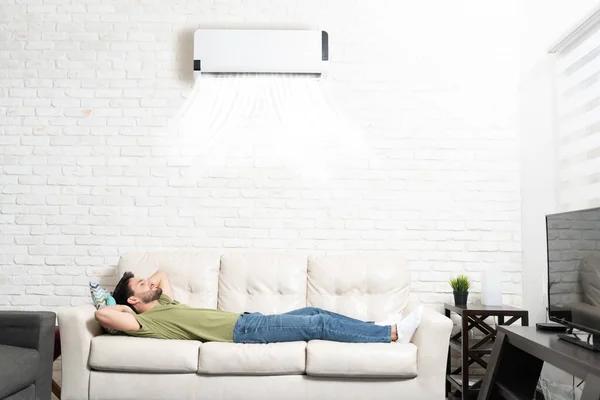
Mini split air conditioning systems with smart controls represent a significant advancement in home climate management, combining efficiency and convenience. These systems consist of two main components: an outdoor compressor unit and one or more indoor air-handling units. Unlike traditional central air conditioners, mini splits do not require ductwork, making them ideal for homes without existing ducts or for room additions where extending ductwork would be impractical or costly. The addition of smart controls enhances their functionality by allowing users to manage temperature settings remotely through smartphones, tablets, or voice-activated assistants.
One of the primary benefits of mini split systems is their energy efficiency. Because each indoor unit can be controlled independently, homeowners can cool specific rooms only when needed rather than cooling the entire house. This zoning capability reduces energy consumption and lowers utility bills compared to conventional HVAC systems that operate on a single thermostat controlling the whole home’s temperature uniformly. Smart controls further optimize this feature by enabling scheduling based on daily routines and occupancy patterns. For example, users can program the system to reduce cooling during work hours and increase comfort levels just before returning home.
Smart technology integration also provides real-time monitoring and diagnostic capabilities that help maintain system performance over time. Many models come equipped with sensors that track humidity levels, airflow quality, and filter status while sending alerts if maintenance is required or if there are operational issues. This proactive approach minimizes downtime and extends equipment lifespan by ensuring timely service interventions before minor problems escalate into costly repairs.
Installation flexibility is another advantage offered by mini splits combined with smart controls. Since these systems do not rely on ducts, they can be installed in various locations such as bedrooms, offices, sunrooms, or even small commercial spaces without major structural changes. The wireless control options eliminate the need for additional wiring beyond what is necessary for power supply to each unit.
In terms of user experience, smart-controlled mini splits offer intuitive interfaces through mobile apps that allow precise temperature adjustments from anywhere with internet access. Voice commands via compatible virtual assistants provide hands-free operation as well as integration into broader smart home ecosystems alongside lighting or security devices.
Overall, Mini Split air conditioning systems equipped with smart controls deliver personalized comfort solutions tailored to modern lifestyles focused on energy savings and ease of use. Their versatility makes them suitable for new constructions as well as retrofit projects aiming to upgrade older HVAC setups efficiently while embracing contemporary technological conveniences available today in residential climate control options worldwide.