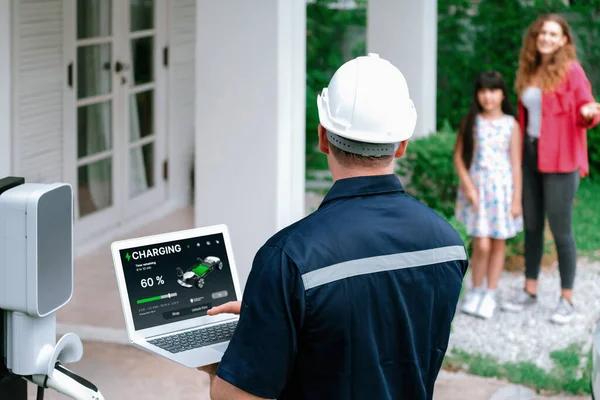
Installing a home charging station for an electric vehicle (EV) is a practical step that enhances convenience and supports sustainable transportation. To ensure a successful installation, it is important to approach the process with careful planning and attention to detail. The first consideration involves evaluating the electrical capacity of your home. A professional electrician should assess whether your current electrical panel can handle the additional load of an EV charger without compromising safety or performance. Upgrading the panel or adding a dedicated circuit may be necessary to accommodate the charger’s power requirements.
Choosing the right location for your charging station is equally crucial. Ideally, it should be installed in a garage or carport where your vehicle will be parked regularly, protecting both explore the service options equipment and user from weather exposure. The spot must allow easy access to plug in your vehicle while keeping cables organized and out of walkways to prevent tripping hazards. Additionally, proximity to your main electrical panel can reduce installation complexity and costs by minimizing wiring length.
Vineyard UT electrical services
Selecting an appropriate charger model aligned with your vehicle’s specifications ensures optimal charging speed and efficiency. Level 2 chargers are commonly recommended for home use due to their balance between cost and faster charging compared to standard outlets. Many chargers offer smart features such as scheduling, energy monitoring, and remote control through mobile apps, which can improve convenience and help manage electricity consumption effectively.
Permits and compliance with local building codes are essential steps often overlooked by homeowners eager to start installation quickly. Engaging with local authorities early on guarantees that all work meets safety standards, preventing potential legal issues or costly modifications later on. Hiring licensed professionals who specialize in EV charger installations provides peace of mind that wiring is done correctly according to code requirements.
Safety measures must not be underestimated during both installation and daily use of the charging station. Proper grounding, weatherproof enclosures if installed outdoors, and using manufacturer-recommended components contribute significantly to reducing risks associated with electrical faults or damage caused by environmental factors.
Finally, regular maintenance checks after installation keep the system functioning reliably over time. Inspecting cables for wear, ensuring connectors remain clean from debris or corrosion, updating firmware when applicable on smart chargers-all these practices extend equipment life while maintaining safe operation standards at home.
By carefully considering these aspects-electrical evaluation, strategic placement, suitable equipment choice, regulatory compliance, professional workmanship alongside ongoing upkeep-homeowners can enjoy a seamless experience installing their EV charging stations successfully while maximizing benefits offered by electric mobility technology within their own residences.
Copperhead Electric
Vineyard, UT 84059
801-404-0128